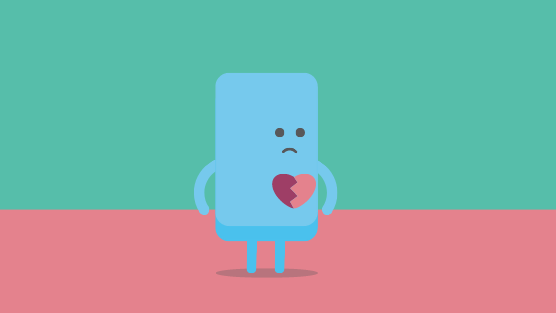
Separation or divorce is one of the most difficult transitions a person can face. But for many men, it’s one of the least spoken about. Whether it’s the grief of lost family connection, financial pressure, a disrupted identity, or social isolation, the toll is heavy. Yet men are still more likely to bottle up their pain than speak openly about it.
This Men’s Health Week, we’re turning our focus to men — not just to highlight the challenges they face, but to share support, accountability and hope.
Statistically, women are usually more likely to initiate separation and divorce, which can leave men feeling blindsided, hurt, shocked, angry and scared.
If you’ve had these thoughts during your separation – you’re not alone:
- “She wants this, not me.”
- “She says I’m not the primary carer does that mean I won’t see my kids?”
- “I’ve worked so hard for this family and now half of it’s walking out the door.”
- “She’s saying I’ve been financially abusive. I didn’t even know that was a thing.”
- “She wants me to move out. Do I have to go?”
- “She’s ready to tell the kids. I’m not.”
These aren’t just questions, they’re the quiet thoughts and fears many men carry alone through separation. And that’s exactly why we need to talk about them, especially during Men’s Health Week from June 9-15.
The emotional toll of separation
While separation affects everyone differently, it often hits men in ways that go unspoken:
- Sudden loss of parenting time
- Fear of losing connection with their kids
- Changes to daily identity and routine
- Financial stress and housing instability
- Social isolation or losing mutual friendships
- A fear of being judged, dismissed or not taken seriously
Many men struggle to open up or ask for help. Not because they don’t want to, but because they feel they need to be strong, stoic, and just get on with it. But bottling it up doesn’t make the stress go away. It just makes it heavier.
Men’s mental health in numbers
- 1 in 8 men in Australia experience depression
- 1 in 5 men will experience anxiety
- Men make up over 75% of suicide deaths
- Separation and loss of family connection are key risk factors
- 1 in 16 men experience some form of family and domestic violence or abuse
Our podcast episode 25: Separation Support for Men explores how societal expectations – to stay strong, fix things, hold it together – often leave men unsupported, especially when going through loss.
In this episode, Separation Consultant Arabella Feltham explains: “Men are told to push through, to provide, to stay stoic. But separation can shake all of that — and many don’t know where to turn.”
This is not just about emotions, it’s about health, safety and having the tools to move forward without falling apart.
When you’re not ready, but it’s happening anyway
Maybe you didn’t choose to separate. Maybe you’re not ready to tell the kids. Maybe you’re being told things you don’t understand, like “you’re not the primary carer” or “you’ve been controlling with money.” It’s a lot to process.
At The Separation Guide, we often hear from men who feel like they’ve lost their footing entirely – unsure about what’s fair, what’s legal, or what’s next.
“For men, what we see is that they fall quite quickly into that sadness space where they feel that this is happening to them and that they have no control over that,” Arabella says. “But they do have choices – they have a choice to de-escalate, to focus on the children, to try and make this process as smooth as possible. Those are things that they can control every day.”
You can talk confidentially to a Separation Consultant or access a referral to legal and emotional support through our network.
Talk to a Separation Consultant
What if you’re being accused of abuse, but you don’t see it that way?
It’s confronting to hear that your behaviour has hurt someone you care about, especially if you didn’t intend to. But sometimes, abuse doesn’t look the way we think it does. It’s not always shouting or hitting. It can be:
- Controlling money
- Dismissing someone’s feelings
- Shutting down conversations
- Using silence or anger to get your way
These behaviours don’t necessarily equal a bad person. If these behaviours have been present in your relationship from either of you, it often means there’s room to look deeper and there’s support to help you do that.
In podcast episode 27: Domestic and Family Violence in Separation with White Ribbon Australia, Acting Director Dean Cooper explains: “We’re not here to shame. We’re here to help men recognise patterns and create real change – for themselves, and for their families.”
Men experience abuse too
Not all abuse is physical, and not all victims are women. Some men experience coercion, emotional abuse or control, but are statistically less likely to speak up.
“There are men in abusive relationships – emotionally, financially, even physically – but they rarely speak up. There’s shame, fear they won’t be believed, or that they’ll be seen as weak,” said Dean in our podcast.
These men often face:
- Isolation
- Stigma from peers
- Lack of tailored services
- Hesitation to report abuse, especially if children are involved
“Most men I’ve spoken to that have been victims of violence in their relationship or from their parents and family, see services like MensLine as a break glass in case of an emergency situation” Dean explains in the podcast.
“When everything is falling apart, when they’re no longer safe to be in the home, they can’t stand it anymore. Then they call MensLine.”
“We could do it much earlier. You can get that validation that you’re looking for. You might not get it from your friends and your footy mates or wherever it might be that you hang out, but you absolutely will get it from these help lines that we’re privileged enough to have access to in this country. I’d really encourage you to call them and to get that advice.”
If this is your experience, please know: it’s valid. And there is help. You can speak to a professional, reach out to 1800RESPECT, or MensLine Australia.
You’re not weak: You’re human.
If you’re in the throes of separation and divorce, feeling grief, confusion, anger or fear doesn’t make you broken. It makes you human.
And if you’re ready to ask for help, as a partner, a co-parent, or just for yourself, that’s something to be proud of. Support doesn’t always look like therapy. Sometimes it’s just a conversation. A plan. A safe place to ask the questions you can’t ask anywhere else.
At The Separation Guide, we offer tools that support men without judgment, including:
- SepGuide™ Plan provides practical next steps tailored to your situation
- Access to trauma-aware legal, emotional and financial professionals
- Free podcast and blog resources to hear from experts and others who’ve walked the path
We’re here when you’re ready.
Book a confidential consultation
The Separation Guide aims to reduce the cost, conflict and confusion of separation and divorce. To learn more about how one of our Network Members could support your separation, take our free three-minute Q&A.
Disclaimer
The information in our resources is general only. Consider getting in touch with a professional advisor if you need legal, financial or wellbeing support.